
 English


A innovative recycling initiative has been making waves in several southern Chinese provinces, where discarded mineral water bottles are being transformed into durable packaging boxes for fresh fruits. This practice not only tackles plastic waste issues but also offers a cost-effective alternative for fruit growers and distributors.
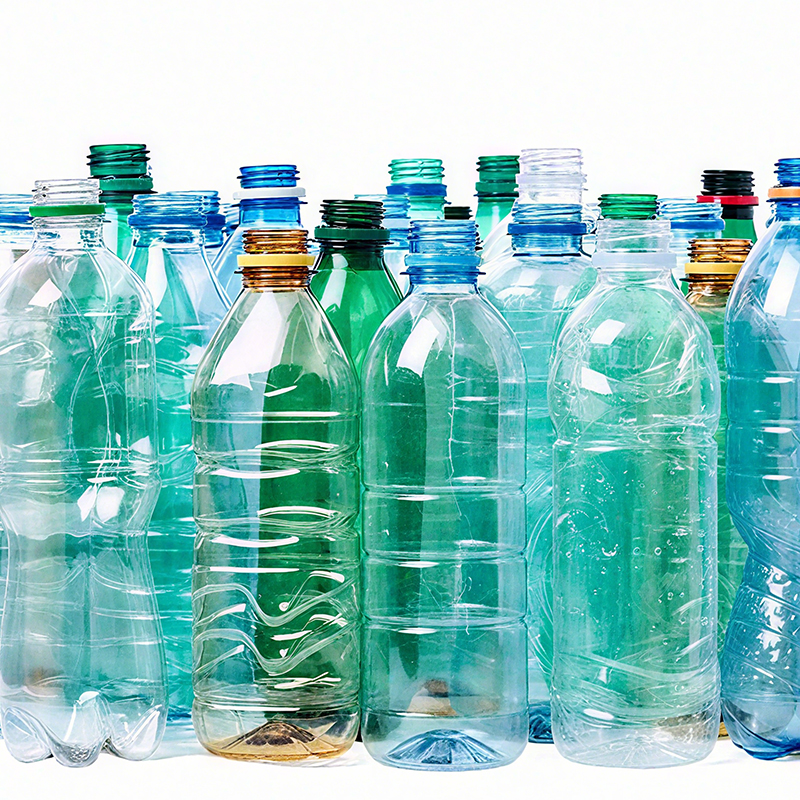
The process begins with an extensive collection network that differs from traditional models. In Guangdong and Fujian provinces, local authorities have partnered with convenience store chains and beverage retailers to set up collection points at store entrances. These points are equipped with simple crushing machines that compress the bottles on-site, reducing the volume by nearly 70% and making transportation more efficient. A representative from a major convenience store chain explained, "By placing collection points where people buy bottled water, we've seen a 40% increase in the amount of bottles recycled compared to community bins alone."
Once collected, the compressed bottles are transported to specialized processing centers. Here, a unique water-based cleaning system is employed, which uses 30% less water than conventional methods. The system utilizes a biodegradable detergent derived from plant extracts, ensuring that no harmful chemicals remain on the plastic during the cleaning process. After cleaning, the bottles are sorted using near-infrared technology that can identify different types of PET plastics with high accuracy, ensuring only suitable materials proceed to the next stage.
The manufacturing phase incorporates a novel blending technique. Recycled PET flakes are mixed with a small percentage of plant-based polymers, enhancing the flexibility of the final product without compromising its strength. This modified material is then formed into sheets through a low-temperature extrusion process that consumes 25% less energy than standard extrusion methods. The sheets are then cut and molded into various sizes of fruit boxes, with special vent holes designed to maintain optimal air circulation for different fruits.
Several agricultural cooperatives in the region have adopted these recycled boxes with positive results. A mango grower in Hainan shared, "These boxes are lighter than the ones we used before, which reduces our shipping costs. They also hold up well in humid conditions, keeping our mangoes fresh during transport." A citrus farmer in Guangxi noted that the transparent nature of the boxes allows customers to see the fruit quality, which has helped improve sales.
Market response has been encouraging, with several large supermarket chains in the region now specifying these recycled boxes for their local fruit sections. A sustainability manager at one supermarket chain stated, "Our customers appreciate the environmental effort, and we've noticed that fruits packaged in these recycled boxes have a similar shelf life to those in traditional packaging." The chain has reported a steady increase in the sales of fruits using this packaging over the past six months.
From an environmental standpoint, the initiative has demonstrated tangible benefits. A life-cycle analysis conducted by a local environmental research institute found that each kilogram of recycled PET used in fruit boxes reduces carbon emissions by approximately 1.2 kilograms compared to using virgin plastic. Additionally, the project has created over 200 jobs in collection, processing, and manufacturing across the participating provinces.
To support the expansion of this practice, regional governments have implemented a tiered incentive program. Companies that achieve certain recycling targets receive tax breaks, while those that invest in improving processing technology can apply for grants. Educational programs in schools and communities have also been launched to teach residents about proper bottle disposal and the benefits of recycling.
Looking to the future, researchers are exploring ways to further improve the material properties of the recycled boxes. Trials are underway to incorporate more plant-based materials into the blend, aiming to enhance biodegradability while maintaining functionality. There are also plans to expand the collection network to rural areas, where fruit production is high but recycling infrastructure is often limited.
This initiative showcases how creative thinking in recycling can create value across the supply chain. By turning a common waste product into a useful item for the agricultural sector, it provides a practical example of how to move towards a more sustainable and circular economy. As more regions and industries take notice, the potential for scaling up this model continues to grow.


