
 English


In South Australia, a distinctive recycling project is making strides in converting discarded mineral water bottles into functional packaging for the state’s thriving fruit industry. This effort, which spans Adelaide and regional areas like the Barossa Valley and Riverland, offers a fresh perspective on sustainable waste management, tailored to the unique agricultural landscape of the region.
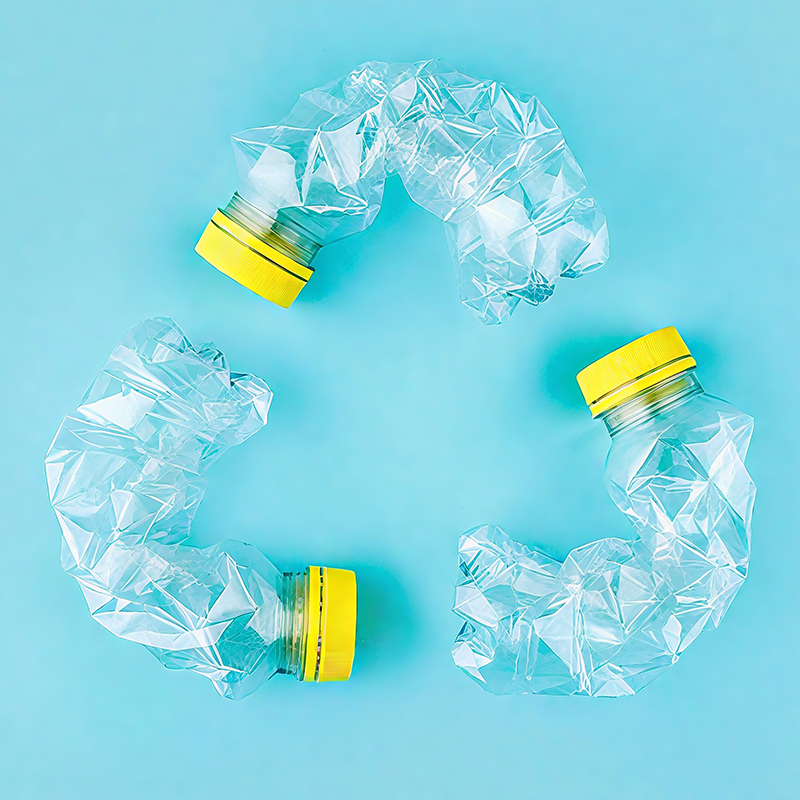
The collection framework here leverages community engagement in innovative ways. Unlike larger cities, South Australia’s program emphasizes neighborhood-based recycling hubs, often hosted by local community centers and schools. These hubs organize monthly "recycling drives" where residents can drop off their used bottles, with small incentives such as local produce vouchers for participants. A coordinator at a community center in Adelaide’s northern suburbs noted, "These drives have built a sense of community around recycling. We’ve seen a steady increase in participation, with families often making it a weekend activity."
In fruit-growing regions, the project has partnered with farm cooperatives to set up collection points directly at orchards and packing sheds. This allows farm workers and visitors to dispose of bottles conveniently, reducing the likelihood of litter in rural areas. A citrus grower in the Riverland explained, "Having collection points on-site means we can manage our own waste better. It also sends a good message to our visitors about our commitment to sustainability."
Transportation logistics in South Australia focus on regional collaboration. Small-scale recycling enterprises have formed a network to share transport resources, with each company covering specific rural routes. This shared approach reduces empty return trips and lowers overall carbon emissions. A transport coordinator for the network stated, "By working together, we’ve cut down on unnecessary travel. Our vehicles are now fuller on both legs of the journey, which makes economic and environmental sense."
Processing facilities in the state have adopted technology suited to South Australia’s arid climate. The plants use solar-powered drying systems to remove moisture from the cleaned bottles, reducing reliance on grid electricity. This is particularly beneficial in regional areas where solar energy is abundant. Additionally, the processing facilities have implemented a "zero-waste" policy, with any plastic waste generated during processing being repurposed into non-food packaging materials, such as plant pots for nurseries.
Sorting at these facilities combines automation with community involvement. While machines handle the initial separation of bottle types, volunteers from local environmental groups assist with quality control, ensuring that only the highest-grade plastic proceeds to the manufacturing stage. This volunteer program not only helps maintain quality standards but also raises awareness about recycling among community members.
The manufacturing process produces packaging designed for South Australia’s signature fruits. Boxes for Barossa Valley cherries feature soft, padded dividers to protect the delicate fruit during transport, while those for Riverland oranges have larger ventilation holes to cope with the region’s higher temperatures. The boxes are also designed to be stackable in the smaller trucks commonly used for rural deliveries, maximizing space efficiency.
Local fruit exporters have shown particular interest in the recycled packaging. With international markets increasingly demanding sustainable practices, using recycled boxes helps South Australian fruits meet global environmental standards. An exporter specializing in citrus fruits shared, "Overseas buyers are paying more attention to packaging sustainability. Using these recycled boxes gives us an edge in competitive markets like Asia and Europe."
Consumer response in South Australia has been positive, with a noticeable shift in purchasing behavior. A survey conducted by a local market research firm found that 42% of shoppers in Adelaide’s supermarkets are more likely to choose fruits packaged in recycled materials, citing environmental concerns as the primary reason. A manager at a specialty food store in Adelaide noted, "We’ve dedicated a section to fruits in recycled packaging, and it’s become one of our most popular areas."
Environmental benefits of the initiative are measurable. A study by the University of South Australia found that the state’s recycled fruit boxes have reduced plastic waste in landfills by an estimated 1,200 tons over the past two years. The study also calculated that the solar-powered processing facilities have saved approximately 500,000 kilowatt-hours of electricity, equivalent to reducing carbon emissions by 300 tons.
Government support in South Australia includes a certification scheme for recycled packaging. The "SA Green Pack" certification, awarded to products that meet specific sustainability criteria, helps consumers identify environmentally friendly options. The state government also offers grants to small businesses looking to adopt the recycled packaging, with a focus on supporting regional enterprises.
Looking forward, the project aims to expand its reach into new fruit categories. Research is underway to develop packaging for soft fruits like strawberries and raspberries, which require more delicate handling. There are also plans to collaborate with local schools to educate students about recycling, with the goal of establishing a new generation of environmentally conscious consumers and producers.
This South Australian initiative demonstrates that regional approaches to recycling can be both effective and sustainable. By tailoring solutions to local conditions and involving the community at every stage, it has created a model that works for both urban and rural areas. As the project continues to grow, it is set to become a cornerstone of South Australia’s commitment to environmental stewardship and circular economy principles.


